What is an Ace in Tennis: The Power of the Unreturnable
What is an Ace in Tennis – In the dynamic world of tennis, few shots are as decisive, skillful, and crowd-pleasing as the ace. For players, it’s a weapon; for spectators, it’s a moment of pure athletic dominance. But what exactly qualifies as this perfect serve? An ace in tennis is a legal serve that the returner cannot touch with their racket, winning the server the point instantly. It is the ultimate first-strike weapon, a blend of power, precision, and tactical intelligence that can dictate the flow of a match. This article explores everything you need to know about the ace, from its technical definition to the legendary players who have mastered it.
The Official Definition and Rules
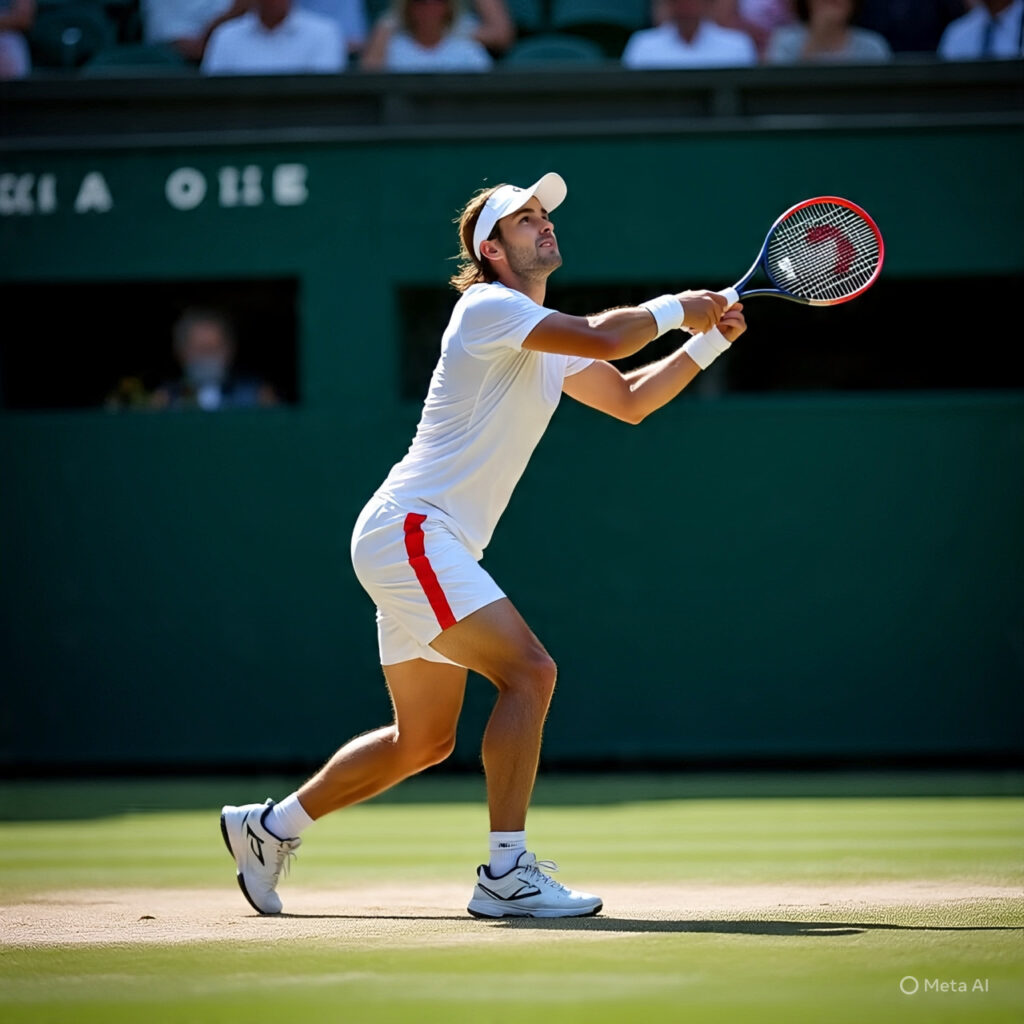
According to the International Tennis Federation (ITF) rules, an ace occurs under one specific condition: a served ball lands within the correct service box, and the receiver fails to make any contact with it using their racket. This definition includes several key points:
- The Serve Must Be Legal: The ball must be struck before it hits the ground, land in the diagonally opposite service box (without touching the net on a let), and the server must follow all serving rules (e.g., feet placement).
- No Racket Contact: The defining characteristic. If the ball touches any part of the returner’s racket, even a slight frame graze, it is not an ace.
- Body Contact Still Counts: If the serve hits the returner or their clothing before bouncing, it is a fault. If it bounces and then hits them, the point goes to the server, but it is technically not recorded as an ace because the returner had the opportunity to play it. A true ace is untouched.
How Aces Win Points and Influence Matches
The strategic value of an ace extends far beyond winning a single point.
- Free Points: In a sport of grueling physicality, an ace wins a point with zero effort after the serve, preserving the server’s energy.
- Psychological Pressure: A barrage of aces can demoralize an opponent, making them feel helpless and disrupting their return rhythm. It places immense pressure on their own service games.
- Setting Up the Point: Even the threat of an ace forces returners to stand farther back or guess direction, opening up the court for the server’s next shot (like a weak return that can be followed up with a volley winner).
- Escape from Trouble: Aces are often most valuable when facing break points or deuce. A well-placed serve under pressure can erase an opponent’s advantage instantly.
The Anatomy of a Great Ace: Power, Placement, and Variety
While raw speed is thrilling, the most effective servers use a combination of elements:
- Speed (Power): A blisteringly fast serve (regularly 130+ mph / 210+ kmh in men’s tennis) simply gives the returner less time to react. It’s a brute-force tool, especially effective on fast surfaces like grass.
- Placement: Precision is often more important than pure speed. Serving into the “T” (the center line intersection) or wide to the sideline pulls the receiver far out of position. A perfectly placed serve at a moderate speed can be just as unreturnable.
- Spin and Kick: Heavy topspin or “kick” serves bounce high and away from the returner, particularly on clay or hard courts. A high-bouncing ball to a one-handed backhand is a classic ace-generating tactic.
- Variety and Disguise: The best servers mix up all the above—speed, spin, and location—so the returner can never comfortably predict what’s coming next.
The Masters of the Ace: Legendary Servers
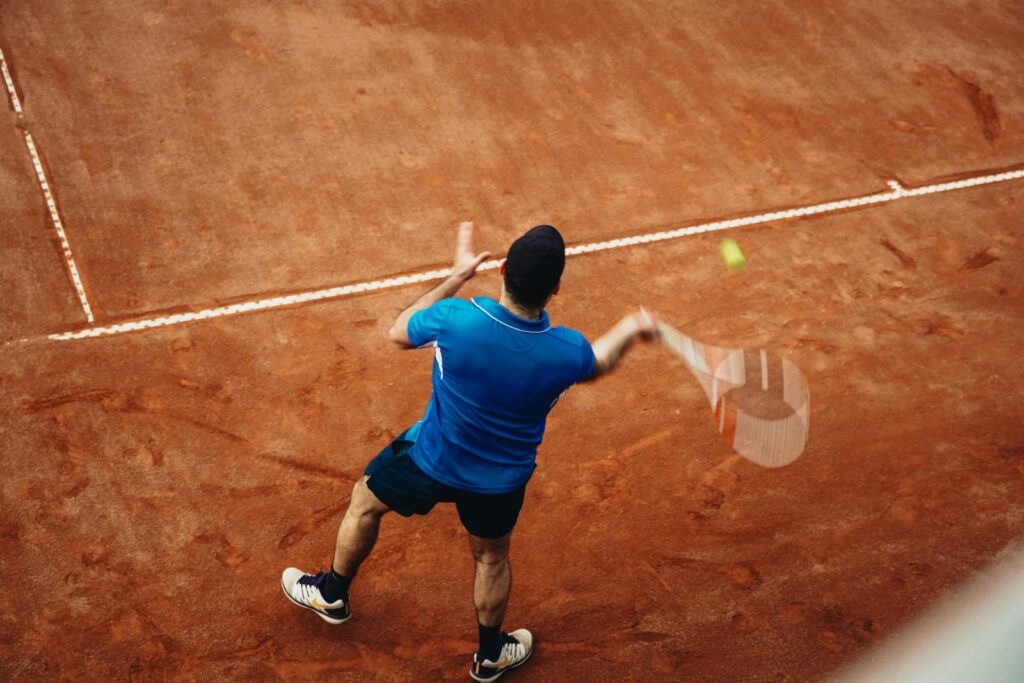
Tennis history is defined by players with devastating serves.
- John Isner (USA): The all-time ATP leader in career aces (over 14,000). His height (6’10”) generates a severe downward angle.
- Ivo Karlović (Croatia): Holds the record for the most aces in a single match (45) and has the second-highest career total. Also known for his towering height and powerful delivery.
- Roger Federer (Switzerland): While not the outright leader in totals, Federer’s serve is a masterclass in placement, variety, and clutch performance, earning him thousands of aces.
- Pete Sampras (USA): A legendary serve that was the cornerstone of his 14 Grand Slam titles, famous for its pinpoint accuracy on big points.
- In Women’s Tennis: Serena Williams possessed one of the greatest serves in WTA history, combining power with precision. Modern players like Karolína Plíšková and Elena Rybakina are known for consistently high ace counts.
Aces by the Numbers: Records and Statistics
- Most Aces, Career (ATP): John Isner (14,470+)
- Most Aces, Single Match (ATP): 45, by Ivo Karlović (2015 Davis Cup) and John Isner (2022 Wimbledon).
- Fastest Recorded Serve (ATP): 157.2 mph (253 kmh) by John Isner (2016 Davis Cup).
- Fastest Recorded Serve (WTA): 137.4 mph (221.1 kmh) by Sabine Lisicki (2014).
- Surface Variation: Ace rates are typically highest on fast grass courts, followed by indoor hard courts and outdoor hard courts. Clay courts, which are slower and produce a higher bounce, generally see fewer aces.
Common Questions About Aces
Is a serve that hits the net cord and lands in still an ace?
Yes, but only if the receiver doesn’t touch it. This is called a “let” serve, and the point is replayed unless it occurs on a second serve, in which case it is simply a legal serve. If untouched, it wins the point and is scored as an ace.
What’s the difference between an ace and a service winner?
A service winner is a serve that the returner manages to touch with their racket but is unable to return in play (e.g., it sails long or wide). An ace is entirely untouched. Both win the point for the server, but only the untouched shot is an ace.
Why do some players hit more aces than others?
Factors include height (creating a better angle), serving technique, upper-body strength, court surface, and tactical willingness to go for big, risky serves.
Conclusion: More Than Just a Power Shot
The ace is a fundamental and glamorous part of tennis. While it represents raw power, it is ultimately a testament to skill, precision, and strategic nerve. Understanding the ace enriches your appreciation for the game, highlighting the critical importance of the serve and the constant mental duel between server and returner. The next time you see a player unleash an unreturnable rocket, you’ll recognize it not just as a moment of force, but as a point won through practiced artistry and tactical genius.