
What is Basketball PSI? Understanding the Science of Bounce
Basketball PSI refers to the pounds per square inch (psi) of air pressure inside a basketball. This precise measurement is the single most critical factor in determining how a basketball performs—it controls the ball’s bounce, feel, grip, and overall playability. Too much or too little air fundamentally changes the game, from professional leagues to your local driveway court. This comprehensive guide provides everything you need to know about proper basketball inflation for every size and league.
What is the PSI for a Basketball? The Official Standards
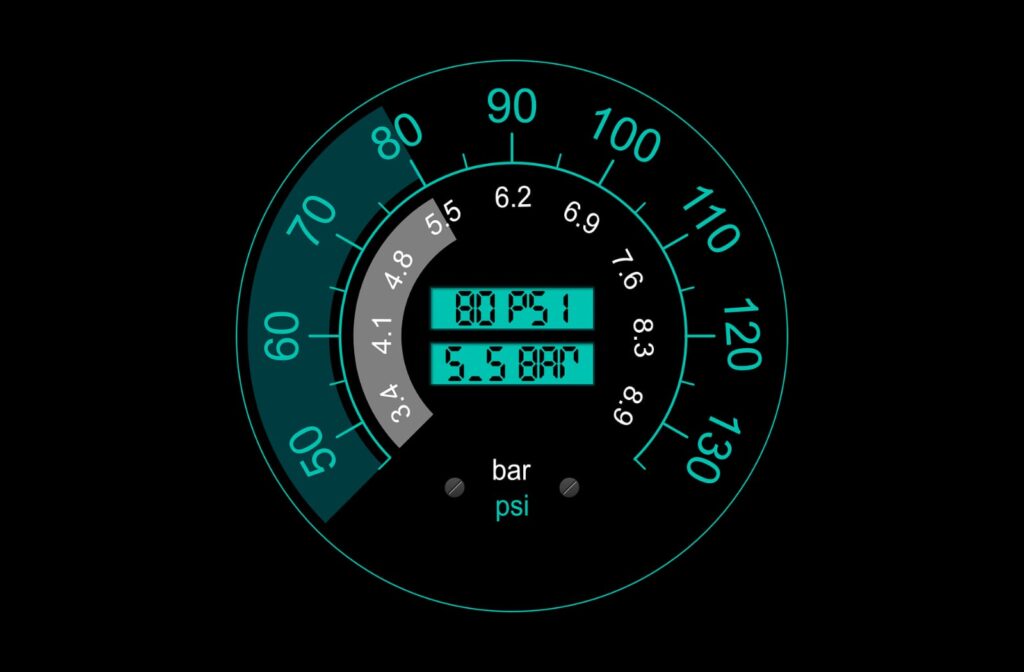
The ideal PSI for a basketball is not a single number but a recommended range that varies slightly by governing body and ball manufacturer. Here are the official standards:
- NBA Official Game Ball (Wilson): 7.5 to 8.5 PSI. This is the gold standard for professional men’s basketball.
- FIBA (International Basketball Federation): Approximately 7.5 to 8.5 PSI, aligning closely with NBA standards for international play.
- NCAA (Men’s & Women’s College): 7.5 to 8.5 PSI. College basketball follows the same professional inflation range.
- High School (NFHS): Typically 7.5 to 8.5 PSI, as most leagues use a standard Size 7 (men’s) or Size 6 (women’s) ball.
Important Note: Always refer to the manufacturer’s recommended PSI printed directly on the ball, usually near the valve or on a panel. This is the most accurate guideline for your specific ball.
Basketball PSI Chart by Size and Age Group
The appropriate PSI is tied to the ball’s size. Use this chart as your quick-reference guide:
| Ball Size | User Group | Circumference | Recommended PSI Range |
|---|---|---|---|
| Size 7 | Men & Boys (age 15+) | 29.5″ | 7.5 – 8.5 PSI |
| Size 6 | Women, Girls (age 12+), & Boys (12-14) | 28.5″ | 7.5 – 8.5 PSI |
| Size 5 | Youth (age 9-11) | 27.5″ | 7.5 – 8.5 PSI |
| Size 4 | Youth (age 5-8) | 25.5″ | 7.5 – 8.5 PSI |
| Size 3 | Mini / Toddler | 22″ | 7.5 – 8.5 PSI |
Key Takeaway: While ball sizes change for different age groups, the ideal PSI range of 7.5 to 8.5 remains remarkably consistent across all official sizes. A smaller ball does not require less air pressure.
Specialty Basketball Brands: Molten, Spalding, and More
- Molten Basketball PSI: Molten is the official ball supplier for FIBA and many international leagues. Their balls, like the popular GG7X model, are designed to perform optimally within the standard 7.5 to 8.5 PSI range. They are known for a precise, consistent feel at this pressure.
- Other Major Brands (Wilson, Spalding): Whether it’s a Wilson Evolution (a top indoor game ball) or a Spalding TF-1000, all reputable manufacturers design their balls for the 7.5-8.5 PSI range. The difference lies in the materials, channel design, and grip, not the recommended inflation.
How Much Air is Needed for a Basketball?
This is a common point of confusion. The “amount” of air is not measured in volume (like cubic inches) but in pressure (PSI). You don’t fill a basketball until it “looks” full; you fill it until your digital or needle pressure gauge reads between 7.5 and 8.5 PSI.
Step-by-Step Inflation:
- Use the Right Tools: A bicycle pump with a built-in pressure gauge or a standalone digital PSI gauge is essential. Hand pumps without gauges will lead to over- or under-inflation.
- Attach the Needle: Moisten the inflation needle (included with most pumps) and screw it or press it firmly into the ball’s valve.
- Pump and Check: Pump in short bursts, frequently checking the pressure with your gauge.
- Stop at the Target: Stop pumping once the gauge reads 8.0 PSI (the midpoint of the ideal range). The ball will naturally lose a tiny amount of pressure when you remove the needle.
- Bounce Test: Perform the bounce test (see below) to confirm proper inflation.
The Bounce Test: A simple, classic check. Drop the ball from shoulder height (about 5 feet). A properly inflated basketball should bounce back up to between your waist and chest (roughly 50-60% of its drop height). If it bounces higher, it’s over-inflated. If it bounces lower and feels “dead,” it’s under-inflated.
Does PSI Impact a Basketball’s Grip?
Absolutely. PSI has a direct and significant impact on grip and ball handling.
- Optimal PSI (7.5-8.5): The ball maintains its correct shape and the pebbling (the bumps on the surface) is properly taut. This allows for maximum friction between your fingers and the ball, resulting in excellent grip, control, and predictable dribbling.
- Over-Inflated (High PSI): The surface becomes hard and slippery. The leather or composite material stretches, which can flatten the pebbling. This leads to a loss of grip, making the ball harder to palm, more likely to slip on passes, and unpredictable on the dribble.
- Under-Inflated (Low PSI): The ball becomes soft and mushy. It absorbs your hand’s energy instead of rebounding from it. This causes a “dead” feel, requires more effort to dribble, and makes shooting inconsistent as the ball doesn’t leave your hand cleanly.
What PSI is a Football? A Quick Comparison
To clear up a common point of confusion: Football PSI is completely different from Basketball PSI.
- Official NFL Football PSI: Must be inflated to between 12.5 and 13.5 PSI. This is significantly higher than a basketball.
- NCAA & High School Football: Similar range, typically 12.5 to 13.5 PSI.
- Why the Difference? Footballs are smaller, have a different internal bladder structure, and are designed to be thrown aerodynamically and kicked, requiring a much firmer pressure.
Never inflate a basketball to football PSI levels, as it will severely over-inflate and potentially damage the ball.
Maintenance and Troubleshooting Tips
- Check Pressure Weekly: Balls naturally lose air over time. Make it a habit to check the PSI before playing.
- Store Properly: Keep balls in a cool, dry place away from direct sunlight and extreme heat, which can increase internal pressure and damage materials.
- Use a Quality Gauge: Inexpensive gauges can be inaccurate. Invest in a reliable digital gauge for perfect inflation every time.
- Listen to the Ball: An over-inflated ball will sound and feel like a rock when dribbled. An under-inflated ball will have a dull thud.
Conclusion: The Foundation of a Good Game
Proper basketball PSI is not a minor detail—it’s the foundation of how the game is meant to be played. By keeping your Size 7, Size 6, Size 5, or any Molten basketball inflated to the 7.5 to 8.5 PSI standard, you ensure optimal bounce, superior grip, and true shooting. It’s the simplest and most effective way to improve your equipment and, by extension, your game. Grab a gauge, check your balls, and experience the difference proper pressure makes.