How long is a football game –Understanding Football Game Duration
How long is a football game- If you’ve ever asked, “How long is a football game?“ you’re not alone. This seemingly simple question has a surprisingly complex answer that varies by level of play, broadcast, and even game flow. While the official clock in an NFL game is just 60 minutes, the total elapsed time you’ll spend watching can be three times that. This comprehensive guide breaks down exactly how long football games last at every level—from the NFL to high school—and explains what accounts for all that extra time.
The Quick Answer: How Long Is a Football Game Usually?
On average, a complete football game takes:
- NFL: 3 hours and 12 minutes
- NCAA College Football: 3 hours and 24 minutes
- High School Football: 2 to 2.5 hours
But to truly understand why, we need to look under the hood.
How Long Is a Football Game in Hours? Breaking Down the Clock
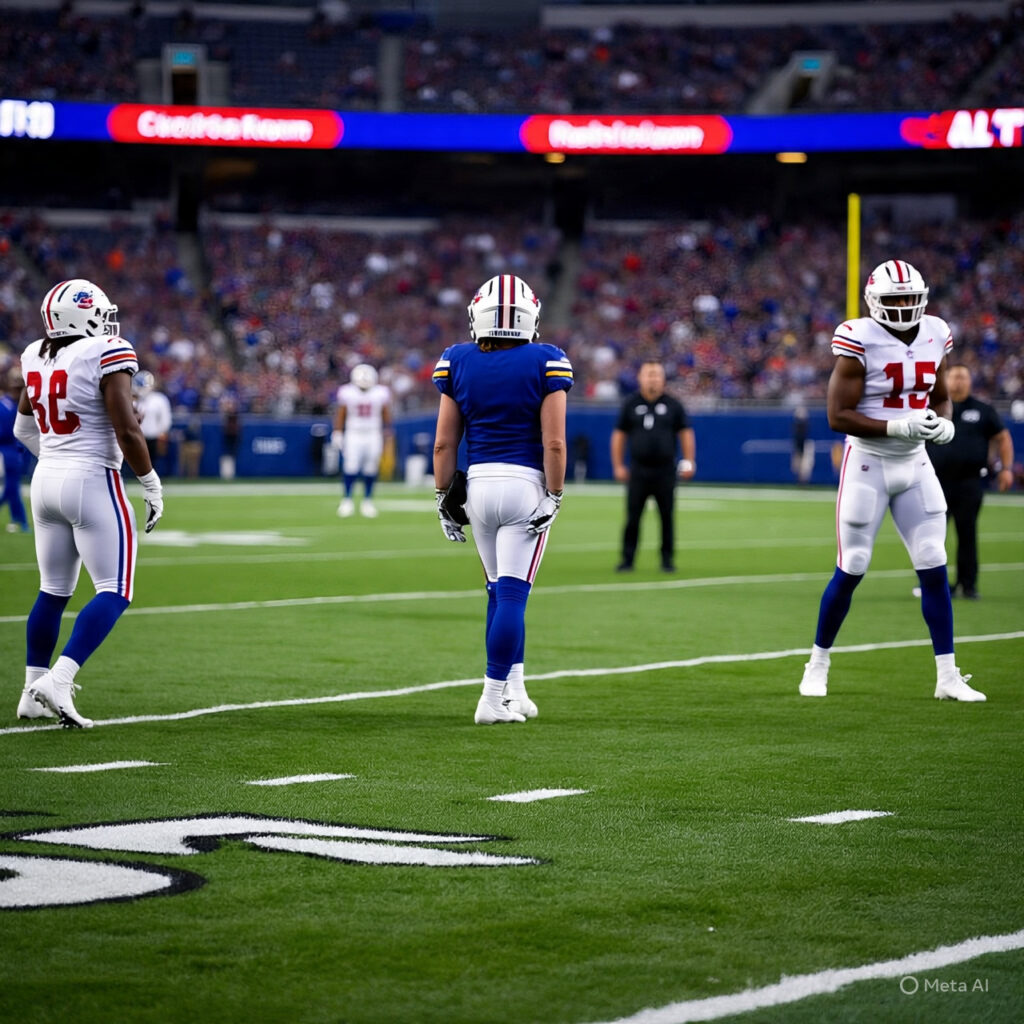
All American football games are divided into four quarters of game clock time.
- NFL & College: Four 15-minute quarters = 60 minutes of regulation game time.
- High School: Four 12-minute quarters = 48 minutes of regulation game time.
Crucially, the game clock does not run continuously. It stops for specific events, which is the primary reason a 60-minute game takes over 3 hours to complete.
When the Clock Stops (The Main Culprits):
- Incomplete Pass: Clock stops until the next snap.
- Player Goes Out of Bounds: Clock stops until the next snap (with some exceptions in college football).
- Timeouts: Each team gets 3 per half in the NFL, 3 per game in high school.
- Two-Minute Warning: An automatic timeout in the NFL at the 2:00 mark of each half.
- Score, Change of Possession, Penalty, or Measurement: The clock stops, then restarts on the next snap.
- Injury Timeouts: Clock stops for player injuries.
- Commercial Breaks: The most significant factor for TV broadcasts.
How Long Is a Football Game Including Breaks? The Real-Time Breakdown
Here’s a typical timeline for an NFL broadcast, showing where the time goes:
- Pre-Game Show & Warm-ups: ~30-60 minutes before kickoff.
- Kickoff to Final Whistle (Elapsed Time):3 hours to 3 hours 20 minutes.
- Quarter 1: ~45-50 minutes of real-time.
- Halftime: 12-13 minutes (NFL). Note: College and Super Bowl halftimes are longer.
- Quarter 3: ~45-50 minutes of real-time.
- Quarter 4: ~45-50 minutes of real-time.
- Post-Game Coverage: ~15-30 minutes.
For a 1:00 PM ET NFL game, expect it to end around 4:10-4:20 PM ET.
How Long Is a Football Game on TV vs. In-Person?
Watching on TV generally takes slightly longer than attending in person. Broadcasts include:
- Extended commercial breaks (often called “TV timeouts”).
- In-depth replay analysis and commentary segments.
- Studio updates from other games.
An in-person experience is more continuous but includes the same official clock stoppages.
Level-by-Level Comparison: NFL, College, High School
1. How Long Is an NFL Football Game?
- Game Clock: 60 minutes (15-min quarters).
- Average Total Duration: 3 hours and 12 minutes.
- Halftime: 12 minutes.
- Key Factors: The Two-Minute Warning adds two additional automatic stoppages. NFL rules are designed for more clock stoppages (e.g., on all out-of-bounds plays), and it has the highest number of commercial breaks. Overtime is 10 minutes (regular season) or sudden-death (playoffs).
2. How Long Is a College Football Game?
- Game Clock: 60 minutes (15-min quarters).
- Average Total Duration: 3 hours and 24 minutes (often longer than NFL).
- Halftime: 20 minutes.
- Key Factors: The clock rules differ significantly. The clock stops only briefly for a first down (to allow chains to move) and restarts quickly on out-of-bounds plays until the final 2 minutes of each half. Despite this, games run longer due to more scoring (stopping the clock), more passing plays, and a faster-paced, no-huddle style of play adopted by many teams.
3. How Long Is a High School Football Game?
- Game Clock: 48 minutes (12-min quarters).
- Average Total Duration: 2 to 2.5 hours.
- Halftime: Typically 15-20 minutes.
- Key Factors: A running clock (“mercy rule”) is often used if a team is ahead by a large margin in the second half, speeding up the game considerably. There are fewer TV timeouts (if any) and less passing, leading to a quicker game flow.
What Makes Some Games Longer Than Average?
A football game’s length is highly variable. Factors that can push a game past the 3.5-hour mark include:
- High-Scoring Shootouts: Each score adds a commercial break.
- Overtime: Adds at least 10+ minutes.
- Injury Timeouts: Multiple significant injuries can add time.
- Penalty-Fest or Review-Heavy Games: Numerous flags and instant replay reviews grind the game to a halt.
- Weather Delays: Lightning can cause lengthy suspensions.
- Playoff Games: Higher stakes, more cautious play, and sometimes longer halftimes.
A Note on Overtime
Overtime adds unpredictable time:
- NFL (Regular Season): 10-minute period. If still tied, game ends in a tie.
- NFL (Playoffs): Sudden-death periods continue until a winner is determined (see the famous 2022 Chiefs vs. Bills playoff game that took over 4 hours).
- College: Each team gets one possession from the opponent’s 25-yard line. If tied, it repeats. This can theoretically go on indefinitely, creating marathon games.
How to Estimate Game Length as a Fan
Useful Rule of Thumb: For planning your day, always budget 3.5 hours for an NFL or college game from scheduled kickoff to the likely end. For a high school game, budget 2.5 hours.
If you’re recording a game, set your DVR for at least 3.5 hours to avoid missing the thrilling ending.
Conclusion: The Beautiful, Lengthy Drama of Football
So, how long is a football game? While the official action is confined to 48 or 60 minutes of game clock, the true experience—the strategy, the commercials, the tension, and the spectacle—unfolds over a 3-hour narrative.
This unique stop-start rhythm is fundamental to the sport’s character, allowing for commercials that fund the billion-dollar industry, time for coaches to strategize, and moments for fans to catch their breath. The next time someone asks how long the game will last, you can confidently explain the difference between the game on the clock and the game in your living room. Now, grab your snacks and settle in—you’ve got a solid three hours of entertainment ahead.