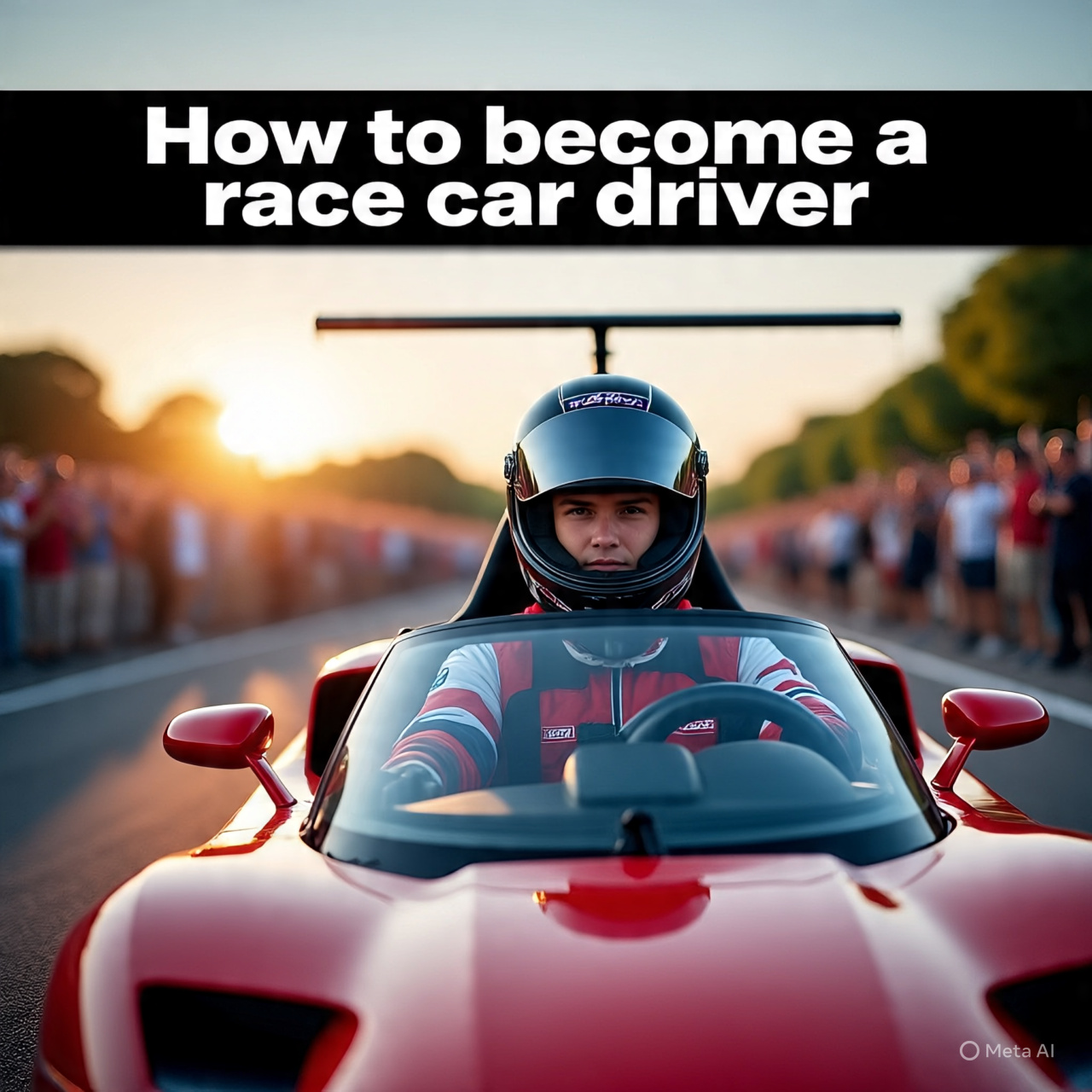
Becoming a race car driver is a dream fueled by passion, speed, and competition. While the path to the professional podium is one of the most challenging in all of sports—often compared to becoming a Premier League footballer—it is a journey with defined steps, regardless of your location, age, or background. This comprehensive guide breaks down the universal fundamentals, provides specific country-by-country pathways, and tackles the most pressing questions for aspiring drivers in 2026.
The Universal Fundamentals: A Global Starting Point
No matter where you live, every successful racing career is built on a non-negotiable foundation.
1. Start with Karting or Simulation
Karting is the undisputed cradle of motorsport. It teaches car control, race craft, and the physical demands of racing at a relatively accessible cost. For those unable to access a kart track immediately, simulator racing (sim racing) has become a legitimate and critical first step. High-end simulators accurately replicate car dynamics and are used by professionals for training. As professional driver David Perel notes, starting with a simulator is a highly effective way to begin developing the necessary skills.
2. Secure Serious Financial Backing
Talent is merely the entry fee. Motorsport is expensive, and funding is the single greatest barrier. This typically comes from personal/family wealth, business sponsorship, or a combination of both. To progress, you must learn to market yourself as a brand, using social media and professional pitches to demonstrate value to potential sponsors.
3. Obtain Your Racing Licence
You cannot compete without a licence issued by your country’s governing body (ASN). The process universally involves joining an accredited car club, completing a certified racing school or assessment, passing a medical exam, and succeeding in theory and practical tests on safety and regulations.
4. Begin Competing at the Club Level
Your first races will be in local, club-level events. This is where you gain the essential signatures and experience required to upgrade your licence and prove your competitive mettle. Performance here is your resume for attracting better opportunities and support.
The Financial Reality: A Cost Breakdown
Understanding the investment required is crucial. The figures below are representative and can vary significantly by series and region.
Country-by-Country Pathways for 2026
The initial steps are similar globally, but the specific organisations and programmes differ.
Answering Your Key Questions

What education is needed to become a race car driver?
There is no formal academic requirement. Your “education” is your on-track experience and results. However, many drivers and professionals pursue motorsport engineering or business degrees to future-proof their careers, as driving professionally is not a long-term option for most. These skills are invaluable for understanding vehicle setup, data analysis, or team management.
How to become a race car driver at 14 or 16?
At 14, your primary focus should be karting. This is the perfect age to develop core skills. By 16, you can begin moving into car racing in many countries (like South Africa). Use these years to build a racing CV, learn about sponsorship, and, if possible, get involved with local teams to understand the sport’s mechanics.
How can I become a race car driver with money?
If you have significant personal funds, you can accelerate the process. The key is to invest strategically:
- Secure professional coaching from the start.
- Buy competitive, reliable equipment (kart or car).
- Commit to a full season in a championship to maximise track time and visibility.
- Hire a professional to manage your marketing/sponsorship search to build a sustainable financial model beyond your personal capital.
How can I become a race car driver as a girl?
The pathway is identical, and the sport is increasingly inclusive. Your gender is not a factor in your licence or your speed. Focus on performance, fitness, and professionalism. Build a strong personal brand and seek out mentors. The rising profile of female drivers in top series demonstrates that talent is the ultimate currency.
How do I start in a video game (like BitLife)?
While a game simplifies reality, it teaches a core truth: consistent success and managing resources (virtual money) are key. Treat it as a fun introduction to the career ladder concept, but understand that real-world success requires the tangible steps outlined in this guide.
Is one country’s pathway “better” than another?
Certain countries have more developed “ladders” (like the UK’s progression from Ginetta Juniors to Formula 1), but talent can emerge from anywhere. Many drivers from smaller markets compete internationally by excelling locally and then securing visas or moving to where the best competition is, as seen with the New Zealand to Australia pathway.
What about driving in a suit or formal event?
This references corporate or high-end experiences like track days, not professional competition. These are typically pay-to-drive experiences offered by racing schools or manufacturers and do not require a competition licence. They are an excellent way to experience performance driving.
The ultimate question: Can I make it?
The harsh truth is that very few reach the paid professional pinnacle. However, “making it” can be redefined. A successful career in motorsport can also mean becoming a respected club racer, a test driver, a coach, or a specialist in motorsport engineering, marketing, or management. The skills you build—discipline, mechanical understanding, marketing, and teamwork—are highly valuable.
The journey to becoming a race car driver is a marathon of skill, finance, and resilience. Start where you are, master the fundamentals, and engage with your local motorsport community. Every champion started with a single lap.